 MONKEY MART




Where Small Shops Turn Into an Economy
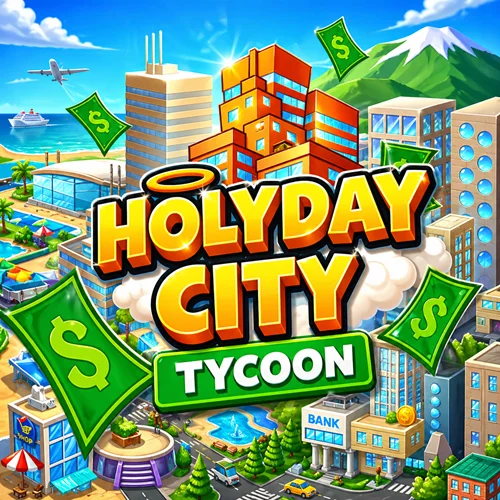
Holyday City Tycoon builds its identity around scaling rather than control. A single business starts generating income, then slowly connects with other systems that amplify output over time. What begins as a modest shop evolves into a network of services, production facilities, and profit layers that interact with each other. Growth does not come from rapid expansion alone, but from how well each part of the city supports the others. This creates a structure where progression feels continuous, as income flows through multiple channels instead of relying on one source.
The Shape of Progression
Expansion follows a loop driven by reinvestment and timing. Early stages focus on opening simple businesses that generate steady income, which then unlocks new opportunities such as restaurants, entertainment venues, and later industrial buildings.
Balancing Services and Production
As more systems appear, the economy becomes interconnected, with resources feeding into higher value businesses. The shift from direct profit to indirect scaling is where the system becomes more engaging, since upgrades begin to affect multiple layers at once instead of a single building. Maintaining a balanced ratio between service-oriented shops and production-heavy industries ensures that your city's growth remains sustainable.
Key Systems That Drive Growth
- Retail businesses provide fast and consistent income
- Service buildings increase customer flow and profitability
- Resource production supports higher tier structures
- Long term upgrades amplify efficiency across the city
Economic Synergy Effects
These systems overlap rather than operate independently, which means a weak link can slow overall progress. A strong balance between income sources and support structures keeps expansion stable. When commercial zones are placed near industrial hubs, the synergy between supply and demand can lead to exponential profit increases.
Investment Rhythm and Scaling Decisions
Not all upgrades deliver the same impact. Early investments often return value quickly, while later upgrades require patience but influence a larger portion of the system. Choosing when to expand and when to improve existing structures becomes more important as the city grows.
Strategic Expansion Planning
Rapid expansion without upgrading can stretch resources too thin, while excessive upgrading can delay new opportunities. The most effective approach maintains a steady rhythm where both expansion and optimization move forward together. Analyzing the return on investment for each new building type allows for a more controlled and predictable scaling process.
Reset Mechanics and Long Term Boosts
Progression does not end with a single city. The reset system introduces a layer of long term planning, allowing accumulated progress to convert into permanent bonuses. These boosts increase income and efficiency in future runs, making each new city faster to develop. Waiting before triggering a reset often results in stronger benefits, especially when enough resources are gathered to unlock multiple upgrades at once. Over time, this loop transforms the experience from simple growth into a cycle of scaling and refinement.
How It Compares in the Idle Space
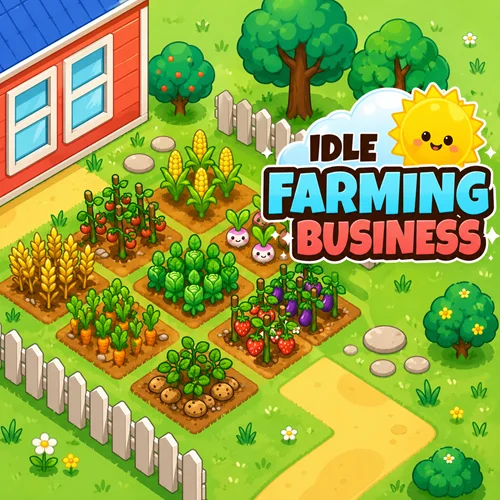
The structure here leans closer to Idle Farming Business in terms of passive scaling and reinvestment loops, while Monkey Mart takes a more active approach with movement and real time task management. This difference makes Holyday City Tycoon feel more about long term planning rather than moment to moment control.