 MONKEY MART







What Is Perfect Hotel
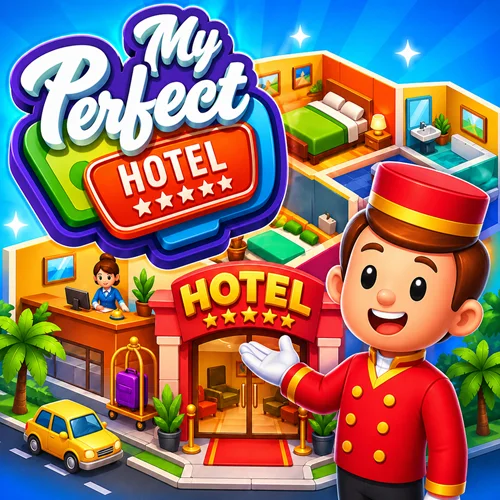
Perfect Hotel is an idle management simulation focused on running and expanding a hotel through continuous service flow. The player begins with a small property that includes only a few rooms and basic facilities, then gradually develops it into a larger operation with multiple services and staff roles.
Staff Management and Speed
Guests arrive automatically, creating a constant stream of tasks such as room cleaning, check in handling, and service delivery. Each action contributes to income, which can be reinvested into upgrades and expansion. The experience emphasizes smooth progression, where consistent improvements in speed and organization lead to a more efficient and profitable hotel system. Hiring and upgrading staff speed is essential for handling the increasing volume of guests as your hotel expands.
How the Hotel System Grows
Growth in Perfect Hotel follows a structured path where each upgrade enhances the overall workflow. Expanding the number of rooms increases the potential for income, but also requires more attention to cleaning and guest needs. Facilities such as elevators, restaurants, and lounges add layers to the service loop, turning a simple stay into a multi faceted experience.
Facility Upgrade Priority
The system is built to reward balanced growth, where improvements in service speed match the increase in guest capacity. This prevents bottlenecks and ensures that the hotel continues to operate smoothly even at full occupancy. Prioritizing elevator speed and room cleaning efficiency often yields the best results during the early to mid-game expansion phases.
The Structure Behind Daily Operations
Daily operations revolve around a connected system where guest arrival, room usage, cleaning, and payment form a repeating cycle. Movement, service speed, and task completion time all influence how efficiently this cycle runs. A well organized layout allows faster transitions between tasks, while upgrades improve both staff performance and facility output. Service quality, room readiness, and timing all interact in one loop, shaping how stable and profitable the hotel becomes as it expands.
The Rhythm of Service
Success in Perfect Hotel depends on maintaining a steady rhythm of service. Every guest interaction has a timing element, where faster responses lead to quicker room turnover and more income. Managing the flow of guests through check in, room occupancy, and checkout requires coordination, especially when multiple rooms need attention simultaneously.
Maintaining Customer Satisfaction
Upgrades that improve movement speed and task completion are essential for keeping up with demand. Automation through hired staff reduces the manual workload, allowing the focus to shift toward large scale expansion and high level upgrades. The most effective approach combines active management during busy periods with consistent investment in staff capabilities to maintain long term efficiency. Satisfied guests leave higher tips, which directly fuels your ability to unlock new floors and luxury suites.
Small Details That Improve Efficiency
Positioning within the hotel plays an important role in maintaining smooth operations. Staying near key areas such as reception or high traffic zones helps reduce time spent moving between tasks. Upgrading existing rooms before expanding further often increases income more efficiently, as improved facilities raise service value. Hiring staff reduces manual workload, while upgrading them ensures that performance remains consistent as the hotel grows. Decorative elements and layout improvements also contribute to a more appealing environment, which supports long term progression.
Long Term Expansion and Progression
As the hotel develops, new locations and themes become available, each introducing fresh layouts and opportunities for growth. Progression extends beyond a single building, allowing expansion into different environments with unique visual styles and operational setups. This broader scale adds variety while maintaining the same core system of service and upgrades. A similar sense of structured progression can be seen in Papa's Wingeria, where managing customer flow defines performance, while Brush Jjaemu focuses more on simplified task repetition within a smaller system.